Designing and manufacturing with cold forming: technical FAQs (Part 1)

July 2026

During the industrialization of a mechanical component, selecting the right manufacturing technology is a fundamental and often strategic step. Companies that turn to us typically have a clear objective: improve component performance while reducing the unit production cost.
Cold forming offers numerous advantages, but it also requires specific technical expertise from the very early design stages.
For this reason, we have collected the
10 questions we are most frequently asked and answered them based on GIDI Meccanica’s extensive experience. In this first article, we address the first five questions, while the remaining five will be covered in Part 2.

  1. Why choose cold forming over bar turning?
    The main difference lies in the way the material is processed. While turning removes material by machining, cold forming relies on the plastic deformation of the material without chip formation, except for any punching or trimming operations. This results in extremely efficient use of raw material and a significant reduction in scrap.
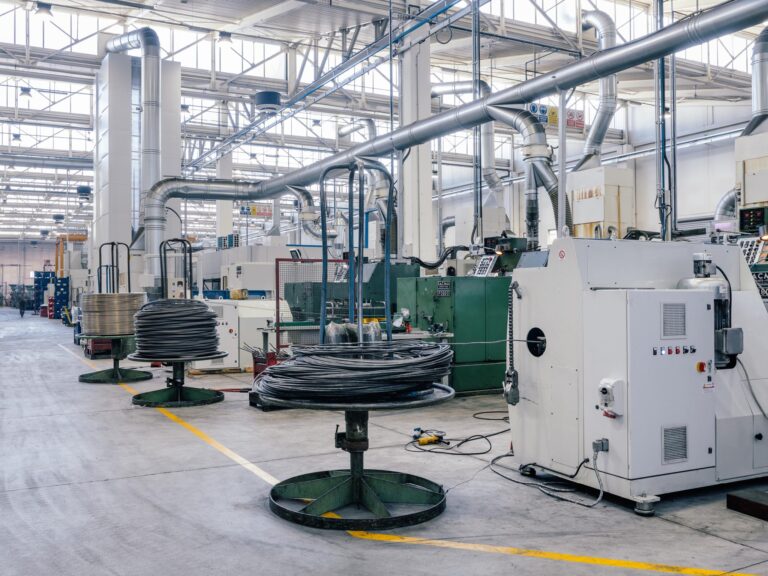
    In addition, cold forming is a high-speed process. Production rates range from approximately one part per second on larger cold forming machines to more than three parts per second on smaller machines.
  2. How does the process affect the strength of the finished component?
    Cold forming improves the performance of the finished component by enhancing the mechanical properties of the material.
    Unlike machining processes, cold forming induces a phenomenon known as work hardening. The high forces applied during forming cause crystal defects (dislocations) within the material to slide past one another, increasing the material’s “stiffness”, hardness and overall mechanical resistance.
  3. Is it possible to form “difficult” materials such as stainless steel or special alloys?
    Yes, it is possible, provided the correct manufacturing approach is adopted.
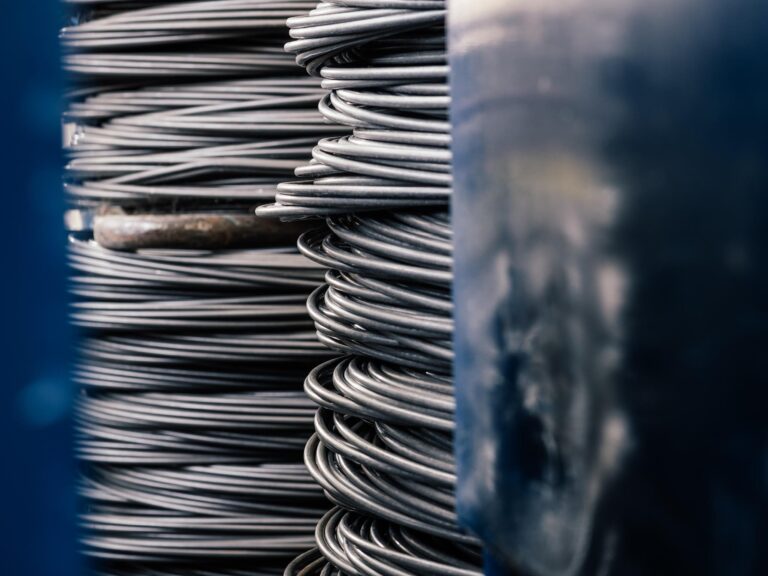
    For highly alloyed materials that rapidly work-harden during deformation, we use warm forming machines. Preheating the wire improves the material’s formability, making it possible to produce complex geometries while reducing tool wear and minimizing the risk of tooling damage.
  4. What diameter range can you process?
    At GIDI Meccanica, our machine fleet has been designed to cover a wide dimensional range.
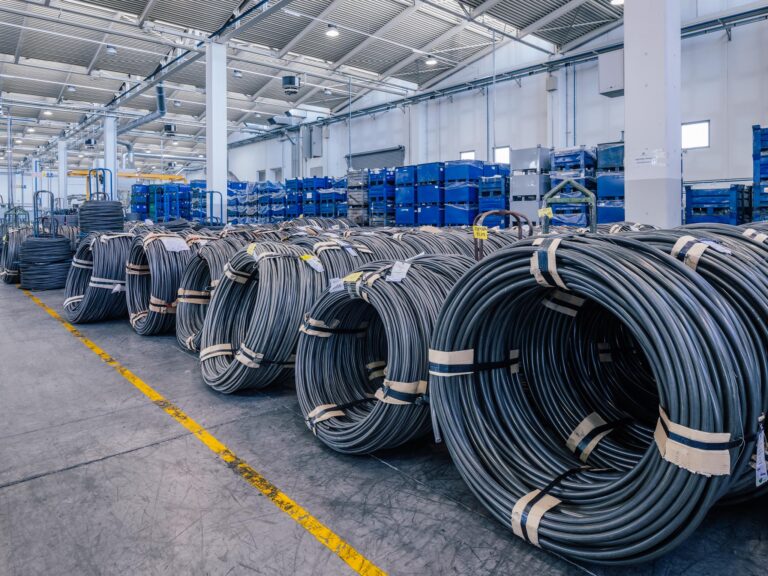
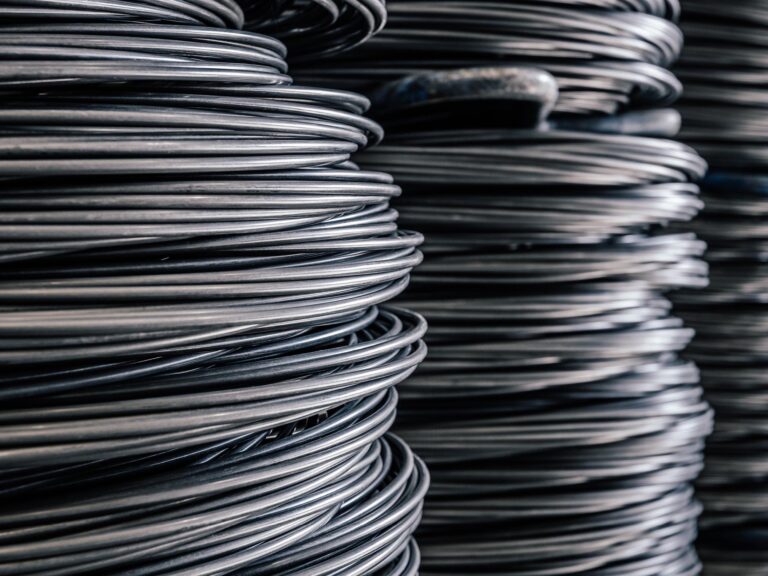
    For this reason, we process steel and aluminium alloy wire with diameters ranging from ø2 to ø38 mm. enabling us to manufacture components weighing from just a few grams up to approximately 300–400 grams.
  5. What is the environmental impact of this process?
    Cold forming is a highly sustainable manufacturing process. Because the process preserves the material volume (and therefore its mass), the same component can be produced using significantly less raw material than traditional bar machining.
    Assuming an average carbon footprint of approximately 2.5kg CO2eq for every kilogram of steel produced, the CO2eq emissions associated with cold forming are substantially lower than those generated by conventional turning operations.
    1.    

These are some of the questions we are most frequently asked about cold forming. Sharing the answers is an opportunity to explain a process we know inside out and continue to refine every day through new engineering challenges. In our next article, we’ll complete this overview by answering five more frequently asked questions.